
Motivation feels powerful. It gives us energy, excitement, and a strong urge to start something new. But motivation is also unpredictable—it comes and goes. Some days you feel unstoppable, and other days you feel stuck. This is exactly why understanding the importance of consistency can completely change the way you approach success.
If you’ve ever started a goal with excitement and then slowly drifted away, you’re not alone. The truth is, success rarely comes from short bursts of motivation. It comes from small actions repeated daily, even when motivation is low. That’s why many successful people say discipline and consistency matter more than inspiration.
In a world full of quick fixes and viral advice, learning why consistency is important can help you build progress that actually lasts.

The Real Difference Between Motivation and Consistency
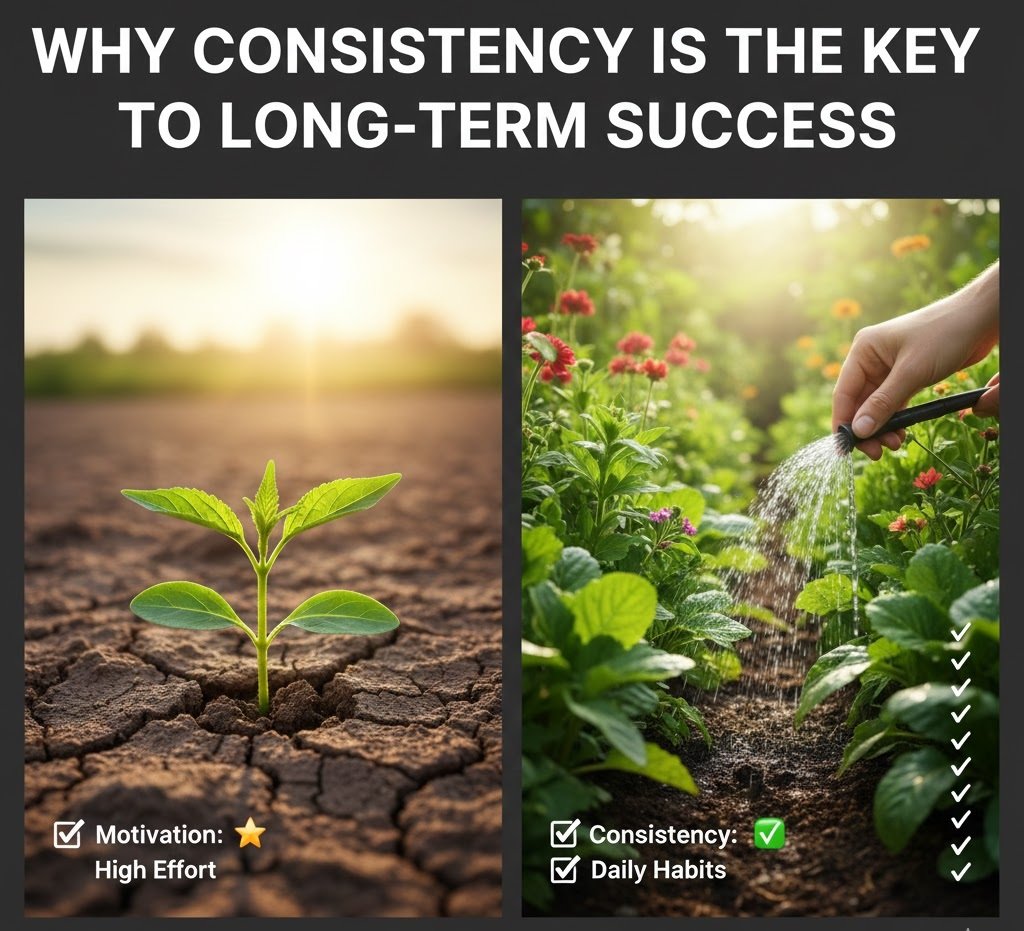
Motivation is emotional. It depends on mood, environment, and circumstances. You might feel motivated after reading a powerful thought of the day or an inspiring post on social media. While that spark can help you start, it’s rarely strong enough to keep you going long-term.
Consistency, on the other hand, is behavioral. It’s about showing up even when you don’t feel like it. You don’t wait for the “perfect mood” or the right time—you act anyway. Over time, these actions compound into real results.
Think about habits like exercising, learning a skill, or building a business. Motivation may help you begin, but consistency is what carries you through boring days, busy schedules, and slow progress. That’s where real growth happens.
This is also why encouraging quotes about life often emphasize persistence over passion. Passion starts the journey, but persistence finishes it.

Why Consistency Is the Key to Long-Term Success
One of the main reasons why consistency is important is that it builds trust—with yourself. Every time you keep a small promise, you strengthen confidence and self-belief. Over time, this creates momentum.
Consistency also removes decision fatigue. When an action becomes routine, you no longer debate whether to do it—you just do it. This saves mental energy and reduces stress.
Another overlooked benefit is that consistency makes progress measurable. Even small daily actions add up. Reading ten pages a day becomes multiple books a year. Saving a small amount monthly grows into financial security. Walking daily improves long-term health more than occasional intense workouts.
Motivation often pushes people toward extremes, while consistency encourages balance. Balanced routines are easier to maintain and less likely to lead to burnout.
Many people rely on a daily thought of the day to stay inspired—and that’s helpful. But pairing inspiration with consistent action is what turns ideas into reality.
How to Build Consistency When Motivation Is Low
You don’t need to feel inspired to be consistent. Start by lowering the barrier. Make habits so small they feel almost too easy. Five minutes of effort done daily beats one hour done once a week.
Environment also matters. Design your surroundings to support your habits. Keep reminders visible. Reduce distractions. When your environment works for you, consistency becomes easier.
Lastly, be patient. Results from consistency are often invisible at first. This is where many people quit. Remember that progress is happening even when you can’t see it yet.

Benefits
Builds long-term discipline and self-trust
Reduces reliance on temporary motivation
Creates steady and sustainable progress
Helps form healthy daily habits
Leads to lasting success in life and health
Final Thought
Motivation may light the fire, but consistency keeps it burning. When you truly understand the importance of consistency, you stop waiting for perfect conditions and start moving forward anyway. Let inspiration guide you, but let consistent action define you. That’s where real change begins.
FAQs: Consistency vs Motivation
1. Why is consistency more important than motivation?
Motivation is temporary, while consistency creates habits that lead to long-term results.
2. How can I stay consistent without motivation?
Focus on small actions, routines, and systems instead of feelings.
3. Can encouraging quotes about life help with consistency?
Yes, they can inspire action, but consistency comes from daily practice.
4. What is a good thought of the day for consistency?
“Small steps taken daily lead to big results over time.”
5. How long does it take to see results from consistency?
It depends on the goal, but most results appear after weeks or months of steady effort.