
Search engine optimization is no longer optional—it’s essential for any website that wants to grow organically. Whether you run a blog, business website, or health-focused platform, strong SEO helps your content reach the right audience at the right time. Understanding how to improve SEO doesn’t require being a technical expert, but it does require consistency, clarity, and the right strategy.
Website SEO optimization is about making your site easier for both users and search engines to understand. From content quality to page speed and structure, every small improvement adds up. In this guide, we’ll break down the top 10 ways to improve your website’s SEO using proven SEO best practices that actually work in today’s Google landscape.
On-Page SEO Techniques That Strengthen Your Website
On-page SEO techniques focus on optimizing individual pages so they rank higher and attract relevant traffic. These changes are fully under your control and often deliver quick, noticeable results when done correctly.
Start with high-quality, original content. Google prioritizes content that is helpful, easy to read, and written for humans—not just search engines. When creating content, naturally include your target keywords such as website SEO optimization and how to improve SEO in titles, headings, and the opening paragraph. Avoid keyword stuffing, as it can hurt rankings instead of helping.
Title tags and meta descriptions play a critical role in click-through rates. A clear, keyword-rich title tells search engines what your page is about, while a compelling meta description encourages users to click. Every page should have a unique title and description aligned with the page’s intent.
Another important on-page SEO technique is proper heading structure. Use one H1 per page, followed by H2 and H3 headings to organize content logically. This improves readability and helps search engines understand the page structure.
Internal linking is often overlooked but highly effective. Linking related pages within your site improves navigation, spreads link equity, and keeps users engaged longer. For example, linking blog posts to relevant service pages strengthens overall website SEO optimization.
Image optimization also matters. Use descriptive file names, compress images for faster loading, and add alt text that explains the image clearly. This improves accessibility and helps images appear in search results.
Finally, focus on user experience. Pages that are easy to read, mobile-friendly, and visually clean tend to perform better. Google tracks how users interact with your site, so better usability directly supports SEO best practices.
Technical SEO Checklist to Improve Rankings
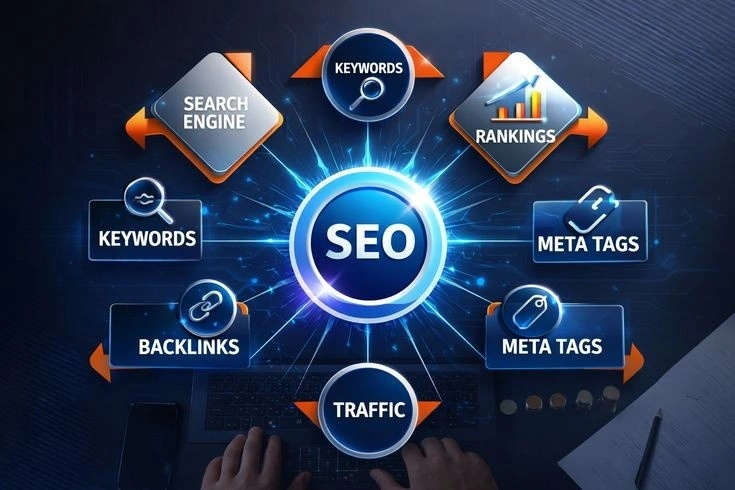
While on-page SEO focuses on content, technical SEO ensures your website functions smoothly behind the scenes. A solid technical SEO checklist helps search engines crawl, index, and rank your site efficiently.
Page speed is one of the most important technical factors. Slow-loading websites lead to higher bounce rates and lower rankings. Compress images, reduce unnecessary scripts, and use caching to improve load times. A fast website not only helps SEO but also improves user satisfaction.
Mobile-friendliness is no longer optional. Google uses mobile-first indexing, meaning it evaluates the mobile version of your site first. Ensure your design is responsive and works well on all screen sizes.
Another key item on the technical SEO checklist is site structure. Clean, simple URLs with relevant keywords are easier for search engines to understand. Avoid long, confusing URLs and use hyphens instead of numbers or symbols.
Secure websites also rank better. Using HTTPS builds trust with users and search engines. If your site still runs on HTTP, migrating to HTTPS should be a priority.
Fixing crawl errors is essential for visibility. Broken links, missing pages, and redirect chains can block search engines from accessing your content. Regularly monitor your site using SEO tools to identify and fix these issues.
Schema markup is another powerful yet underused SEO best practice. Structured data helps search engines better understand your content and can improve how your pages appear in search results, including rich snippets.
Finally, create and submit an XML sitemap and ensure your robots.txt file is properly configured. These elements guide search engines through your website and ensure important pages are indexed correctly.

Key Points / Benefits of Improving Website SEO
Improves website visibility on Google search results
Increases organic traffic without paid ads
Strengthens website SEO optimization long-term
Enhances user experience and engagement
Builds credibility and trust with search engines
Makes it easier to understand how to improve SEO step by step
Supports better performance using SEO best practices
Ensures smoother crawling with a strong technical SEO checklist
Final Thoughts
Improving your website’s SEO is a continuous process, not a one-time task. By combining strong on-page SEO techniques with a reliable technical SEO checklist, you create a solid foundation for long-term growth. The goal is not just higher rankings, but better user experience, clearer content, and sustainable organic traffic.
When you focus on helpful content, clean structure, and proven SEO best practices, search engines naturally reward your efforts. Start small, stay consistent, and keep refining your strategy. Over time, these improvements can significantly boost your website’s performance and visibility.