
Protein is one of the most essential nutrients for a healthy body. It supports muscle strength, helps repair tissues, keeps you full longer, and plays a major role in daily energy levels. Whether your goal is fitness, weight management, or simply eating better, adding more high protein foods to your meals can make a noticeable difference.
Many people think protein is only for athletes, but that’s not true. Everyone needs protein to maintain muscles, support metabolism, and stay energized. Balanced protein meals also help reduce unnecessary snacking and blood sugar crashes throughout the day.
From whole foods to drinks and supplements, there are many easy ways to boost your protein intake naturally. Below are the best protein-rich foods you can include in your daily diet without making eating complicated or boring.
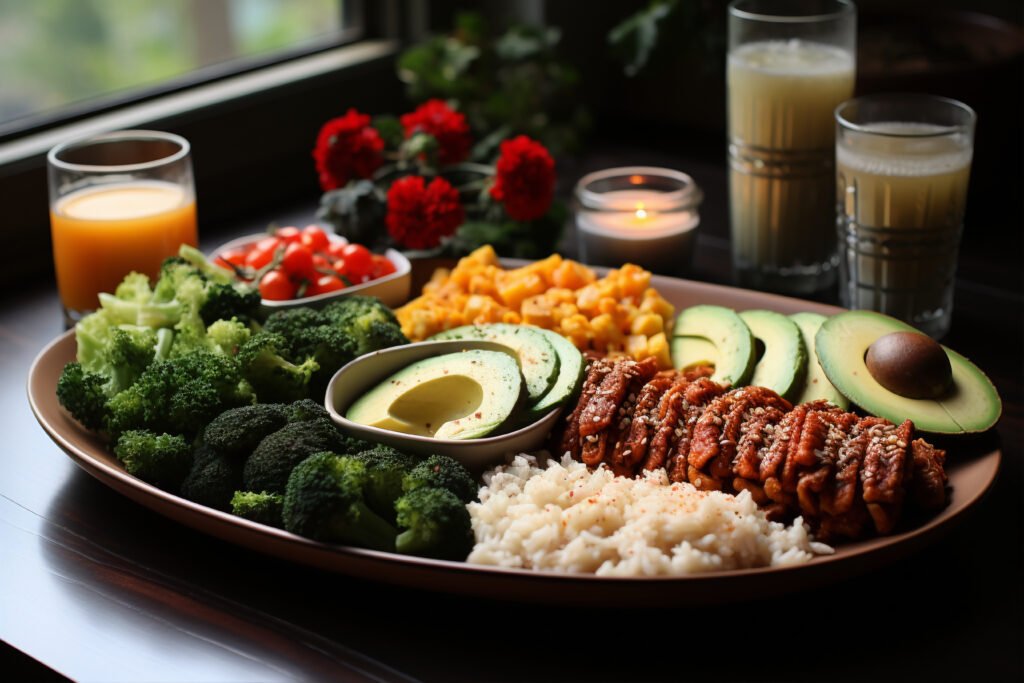
Key Points / Benefits of High-Protein Foods
Support muscle growth and repair
Help you feel full for longer
Improve energy and focus
Support healthy metabolism
Help maintain a balanced diet
Work well in meals, snacks, and drinks
A consistent protein intake supports long-term health and makes everyday eating more satisfying.
Best High-Protein Foods, Meals, and Protein Support Options
Here are the top 10 high-protein foods that are easy to find, simple to prepare, and effective for everyday nutrition.
1. Eggs
Eggs are one of the most complete protein sources. They contain all essential amino acids and are easy to cook in many ways. Eggs work well for breakfast, lunch, or dinner and fit perfectly into balanced protein meals.
2. Chicken Breast
Chicken breast is a lean, high-protein food with very little fat. It’s ideal for muscle maintenance and works well in salads, wraps, bowls, and stir-fries.
3. Greek Yogurt
Greek yogurt contains more protein than regular yogurt and supports gut health. It’s great as a snack, breakfast base, or smoothie ingredient.
4. Fish (Salmon, Tuna, Sardines)
Fish provides high-quality protein along with healthy fats. These fats support heart health and overall wellness. Fish-based protein meals are filling and nutritious.
5. Lentils
Lentils are an excellent plant-based protein source. They’re rich in fiber, affordable, and easy to cook. Lentils help support digestion and steady energy levels.
6. Cottage Cheese
Cottage cheese is rich in slow-digesting protein, making it a great option before bedtime or as a filling snack. It helps keep you full for longer periods.
7. Tofu and Tempeh
Tofu and tempeh are popular protein sources for plant-based diets. Tempeh is fermented, which supports digestion and nutrient absorption.
8. Beans and Chickpeas
Beans and chickpeas provide protein, fiber, and minerals. They help stabilize blood sugar levels and support heart health, making them ideal for daily meals.
9. Nuts and Seeds
Almonds, peanuts, pumpkin seeds, and chia seeds contain protein along with healthy fats. They work well as snacks or meal toppings.
10. Quinoa
Quinoa is a complete plant protein that contains all essential amino acids. It’s also rich in magnesium, which supports muscle and nerve function.
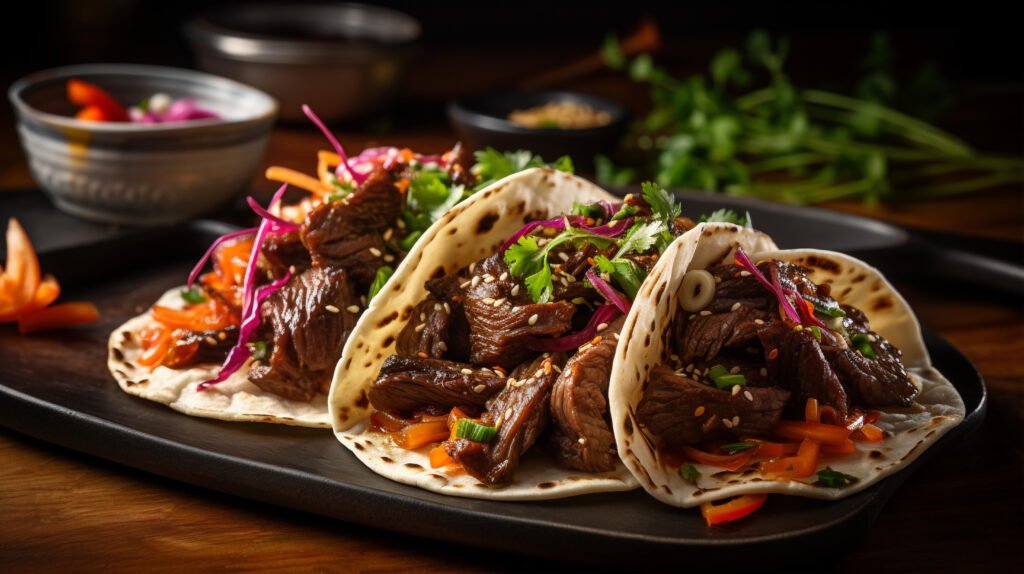
Protein Meals: Simple Ways to Eat More Protein
Building protein meals doesn’t need to be complicated. A balanced plate usually includes:
One protein source
Vegetables or greens
Healthy fats or whole grains
Examples include grilled chicken with vegetables, lentil soup with whole-grain bread, or eggs with avocado and toast.
Boost Protein Drink: When and Why to Use Them
A boost protein drink can be helpful when whole food options aren’t available. These drinks are commonly used:
After workouts
During busy days
When appetite is low
Choose options with low added sugar and simple ingredients to keep them healthy and effective.

What Is Protein Supplements?
Many people ask, what is protein supplements? Protein supplements are concentrated protein sources, usually in powder form, made from whey, plant proteins, or blends. They’re designed to help meet protein needs when food alone isn’t enough.
Supplements should support your diet, not replace real food. Whole foods should always come first.
What Magnesium Is Best with High-Protein Diets?
Protein-rich diets often pair well with magnesium-rich foods. Magnesium supports muscle function, recovery, and energy production. Magnesium from natural food sources like nuts, seeds, leafy greens, and whole grains is generally the best option for daily use.
Tips to Increase Protein Naturally
Add protein to every meal
Combine plant and animal protein sources
Choose whole foods over processed options
Use protein drinks only when needed
Final Thoughts
Adding high-protein foods to your diet is one of the most effective ways to support strength, energy, and overall health. From eggs and chicken to lentils and quinoa, there are plenty of options to fit every lifestyle.
Balanced protein meals, occasional protein drinks, and a clear understanding of supplements can help you meet your nutrition goals without stress. Focus on consistency, variety, and whole foods, and your body will thank you in the long run.