
Green tea is loved worldwide for its antioxidants, refreshing taste, and wellness benefits. From classic green tea brews to trendy matcha tea made from finely ground matcha powder, many people rely on it as a daily health drink. Even popular options like Lipton green tea are often chosen for their perceived health value and support for green tea for weight loss.
However, not everyone tolerates caffeine well. Some people experience anxiety, sleep issues, or digestive discomfort after drinking caffeinated beverages. The good news? You don’t have to give up healthy tea rituals altogether. There are plenty of caffeine-free alternatives that provide similar calming, detoxifying, and weight-friendly benefits.
In this guide, we’ll explore the top 10 green tea alternatives for people who avoid caffeine, focusing on taste, health benefits, and suitability for everyday wellness routines.
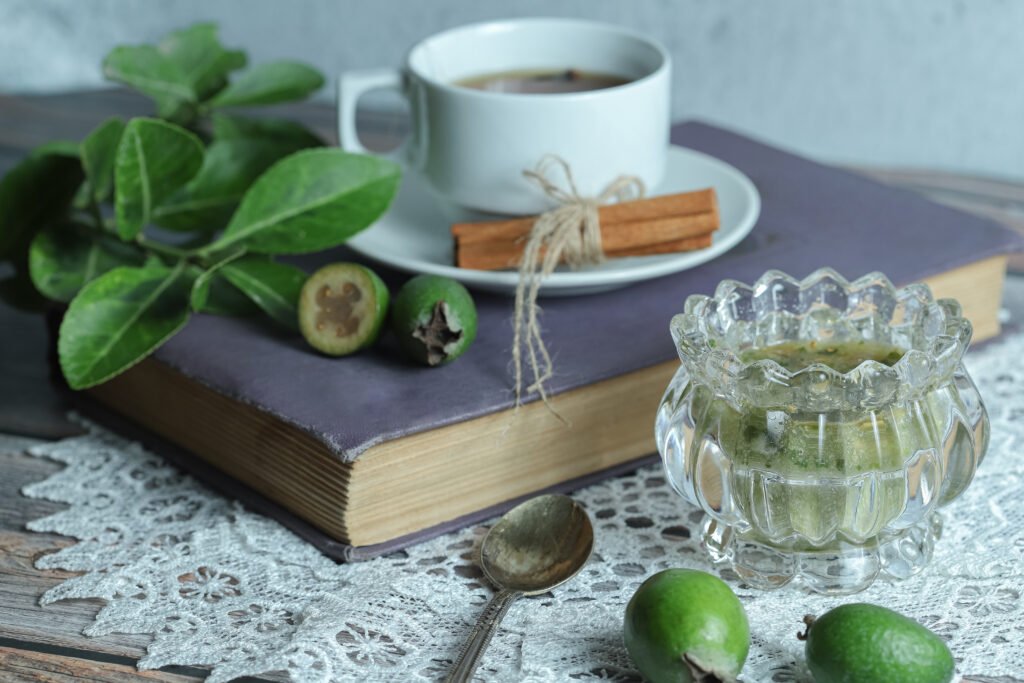
Best Caffeine-Free Alternatives to Green Tea
Below are natural, soothing options that work well as replacements for green tea and matcha tea, without the caffeine crash.
1. Rooibos Tea
Rooibos is a South African herbal tea that’s naturally caffeine-free and rich in antioxidants. Its slightly sweet, earthy flavor makes it a comforting replacement for green tea.
2. Chamomile Tea
Known for relaxation and better sleep, chamomile is ideal for people who drank green tea mainly for stress relief. It’s gentle on the stomach and perfect for evenings.
3. Peppermint Tea
Peppermint tea offers a refreshing taste and supports digestion. While green tea is often used for metabolism, peppermint can help reduce bloating and cravings.
4. Hibiscus Tea
This ruby-red herbal tea is rich in vitamin C and antioxidants. It’s often linked to heart health and weight management, making it a smart alternative to green tea for weight loss.
5. Ginger Tea
Ginger tea warms the body and supports digestion and immunity. If you enjoyed matcha tea for its energizing feel, ginger offers a natural, caffeine-free boost.
6. Lemon Balm Tea
Lemon balm has a mild citrus flavor and calming properties. It’s great for mental clarity without the stimulation you might get from matcha powder.
7. Tulsi (Holy Basil) Tea
Tulsi tea is popular in traditional wellness practices. It helps the body manage stress and supports immunity, making it a holistic substitute for green tea.
8. Fennel Tea
Naturally sweet and soothing, fennel tea aids digestion and reduces water retention. It’s a good option for people who drank Lipton green tea after meals.
9. Barley Tea (Caffeine-Free Roasted Grain Tea)
Barley tea has a toasted flavor similar to traditional teas but without caffeine. It’s hydrating and easy to drink throughout the day.
10. Fruit Infusions
Herbal fruit blends made from berries, apple, or citrus peels provide antioxidants and flavor without caffeine. They’re perfect if you enjoyed flavored green tea varieties.
How to Choose the Right Green Tea Substitute for Your Lifestyle
Not all green tea alternatives serve the same purpose. Choosing the right one depends on why you were drinking green tea in the first place.
If you relied on green tea for weight loss, options like hibiscus, ginger, and peppermint teas may support digestion and metabolism. For relaxation and stress relief, chamomile, lemon balm, and tulsi are better choices. If taste matters most, rooibos and barley tea offer a familiar “tea-like” experience without caffeine.
The key is consistency. Just like green tea or matcha tea, caffeine-free herbal teas work best when enjoyed regularly as part of a balanced lifestyle that includes healthy eating, hydration, and movement.
Key Points / Benefits of Caffeine-Free Green Tea Alternatives
Naturally caffeine-free and gentle on the nervous system
Support digestion, hydration, and overall wellness
Suitable for evening or all-day consumption
Great options for people sensitive to caffeine
Can complement weight-management and detox routines
Final Thoughts
Green tea, matcha tea, and matcha powder are powerful wellness drinks—but they aren’t for everyone. If caffeine doesn’t suit your body, you have plenty of flavorful, health-boosting alternatives to choose from. Whether your goal is relaxation, digestion, or weight management, these caffeine-free options can easily fit into your daily routine.
Frequently Asked Questions (FAQs)
1. Are green tea alternatives healthier than green tea?
Green tea is healthy, but caffeine-free alternatives can be better for people sensitive to caffeine. Herbal teas still provide antioxidants and digestive benefits.
2. Can I replace matcha tea with a caffeine-free option?
Yes. While matcha powder is high in caffeine, ginger, tulsi, or rooibos tea can offer wellness benefits without stimulation.
3. Is Lipton green tea caffeine-free?
No. Lipton green tea contains caffeine. If you avoid caffeine, herbal teas are a better choice.
4. Which caffeine-free tea is best for weight loss?
Hibiscus, ginger, and peppermint teas are often chosen as alternatives to green tea for weight loss due to their digestion-supporting properties.
5. Can I drink these green tea alternatives every day?
Yes. Most caffeine-free herbal teas are safe for daily consumption, but moderation and variety are always recommended.