
When it comes to fitness and nutrition, misinformation spreads faster than results. From diet misconceptions to unrealistic workout beliefs, many people fall for myths that delay progress and even cause health problems. In this blog, we uncover the top 10 fitness and nutrition myths and explain the real science behind healthy living. Whether your goal is to lose weight, gain weight the healthy way, or prevent common diseases, these myth-busting insights will guide you toward a better lifestyle.

1. You Need to Work Out Every Day for Results
Many people believe that daily intense workouts guarantee faster results.
Reality: Your body needs rest to repair muscles and grow strength. Overtraining leads to fatigue, injuries, hormonal imbalance, and slower progress.
Truth: Aim for 3–5 quality workout sessions a week, including strength training, cardio, and flexibility exercises.
2. Eating Carbs Makes You Gain Weight
Carbohydrates are often blamed for weight gain.
Reality: Carbs are your body’s primary energy source. The problem isn’t carbs — it’s refined carbs like sugary snacks and white bread.
Truth: Choose complex carbs (brown rice, oats, fruits, vegetables). They help stabilize energy levels, support workouts, and improve digestion.
3. Lifting Weights Makes You “Too Bulky”
Especially common among women, this fear stops many from strength training.
Reality: Building large muscles requires extreme training and genetics.
Truth: Weight training increases metabolism, strengthens bones, reduces fat, and shapes the body naturally — without making you bulky.
4. You Must Eat Less to Lose Weight
Many assume extreme dieting is the quickest weight-loss method.
Reality: Eating too little slows metabolism, leads to muscle loss, and increases cravings.
Truth: Create a small calorie deficit, eat balanced meals, and stay consistent. Sustainable weight loss comes from smart nutrition, not starvation.
5. Protein Shakes Are Only for Bodybuilders
Protein powders are often marketed for muscular athletes.
Reality: Protein is essential for everyone, especially people with busy lives or limited food variety.
Truth: Shakes help meet protein needs, aid recovery, and support general health — not just muscle building.
6. Healthy Eating Is Too Expensive
Many people think healthy food means costly supplements or organic products.
Reality: Basic whole foods like lentils, eggs, bananas, oats, vegetables, and rice are affordable and nutritious.
Truth: Healthy eating is about smart choices, not expensive items. Plan meals, buy seasonal produce, and avoid packaged foods.
7. You Can Target Fat Loss in Specific Areas
People often try to lose belly fat or thigh fat through specific exercises.
Reality: Spot reduction is impossible.
Truth: Fat loss happens overall, not in one area. Combine strength training and balanced nutrition for best results. Core exercises strengthen muscles, but fat reduces gradually across the body.
8. Skipping Meals Helps Reduce Weight
Skipping meals, especially breakfast, is a common weight-loss misconception.
Reality: Skipping meals causes overeating later, unstable blood sugar levels, and increased fat storage.
Truth: Eat three balanced meals a day with healthy snacks if needed. Consistency stabilizes metabolism and reduces cravings.
9. You Can Gain Weight Eating Junk Food
Some people trying to gain weight think eating fast food and sugary snacks helps them increase size.
Reality: Junk food leads to unhealthy fat gain, digestive issues, and increased risk of common diseases like diabetes and heart problems.
Truth: To gain weight the healthy way, focus on calorie-dense, nutritious foods like nuts, dairy, avocados, peanut butter, whole grains, and homemade smoothies that increase weight without harming health.
10. Supplements Can Replace a Balanced Diet
Many believe supplements are enough for fitness and immunity.
Reality: Supplements are meant to “supplement,” not replace food.
Truth: Whole foods provide fiber, antioxidants, vitamins, and minerals — something supplements alone cannot offer. Use supplements only when necessary and recommended by a professional.
Healthy Eating Tips to Improve Your Lifestyle
Here are some simple and effective nutrition habits:
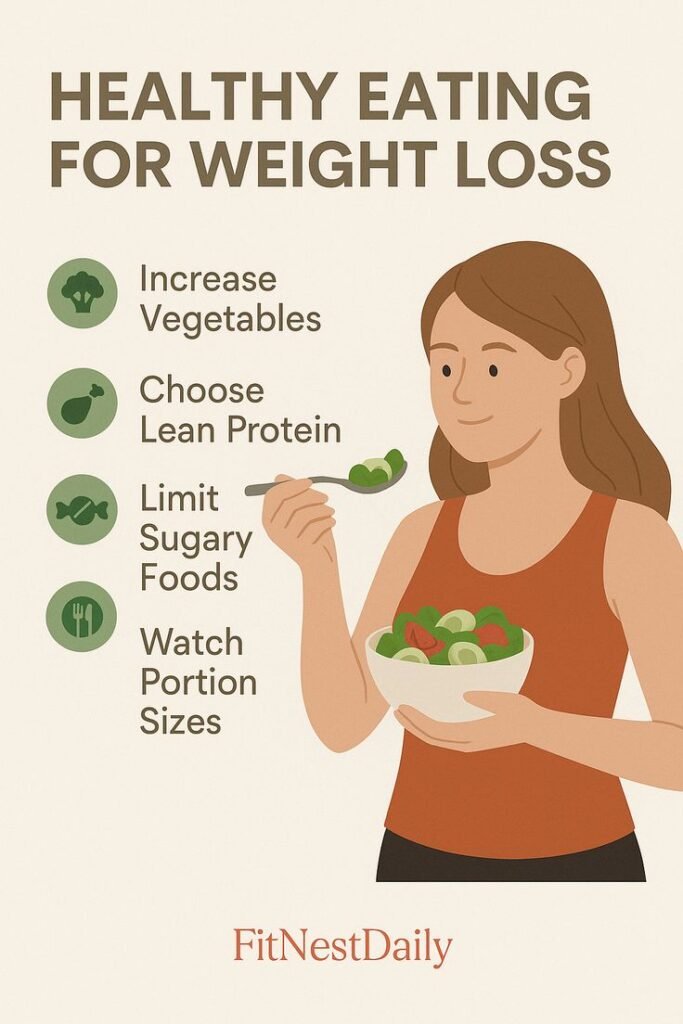
- Include lean proteins in every meal
- Choose whole grains instead of refined carbs
- Eat five servings of fruits and vegetables daily
- Drink 2–3 liters of water
- Limit sugary foods and processed snacks
- Prioritize healthy fats like olive oil, nuts, and seeds
- Maintain portion control without strict dieting
How Fitness & Nutrition Myths Impact Common Diseases
Falling for myths can increase the risk of:
- Obesity
- Type 2 diabetes
- Heart disease
- Hypertension Joint problems
- Nutrient deficiencies
Correct information empowers you to prevent such conditions and live a healthier, stronger life.
Final Thoughts
Fitness and nutrition should be simple, but myths make them confusing. By understanding the truth behind these misconceptions, you can create a lifestyle that supports long-term health, better energy, strong immunity, and a well-balanced body. Remember, real progress comes from consistency, knowledge, and smart choices — not shortcuts or myths.