
Choosing the best running shoes can feel confusing—especially when every brand promises comfort, speed, and durability. Whether you’re a beginner or a seasoned runner, the right shoes protect your joints, improve performance, and prevent injuries. However, everyone’s feet and running goals are different, so a shoe that works for someone else may not work for you.
In this guide, you’ll learn exactly how to pick the right running shoes based on your foot type, arch, running style, and fitness goals. We’ll also explore different shoe categories like Nike running shoes, cross training shoes, best running shoes for women, and best trail running shoes—so you always make the perfect choice.

1. Understand Your Running Goal
Before you pick a shoe, ask yourself: What do I want this shoe for?
Different goals require different types of support:
- Long-distance running: Look for cushioning and shock absorption.
- Speed training: Lightweight, responsive shoes work best.
- Gym + running mix: Choose cross training shoes for stability.
- Trail running: Need grip, durability, and ankle support.
- Everyday comfort running: Neutral cushioning is ideal.
Matching your shoe to your goal ensures maximum comfort and reduces injury risk.
2. Know Your Foot Type & Arch Shape
Everyone has a different foot structure. The three main arch types are:
● Flat Feet (Overpronation)
Your feet roll inward too much while running.
Best Choice: Stability or motion-control shoes.
● Neutral Arch
Balanced foot movement.
Best Choice: Neutral running shoes (best comfort for most runners).
● High Arch (Underpronation/Supination)
Your feet roll outward.
Best Choice: Cushioned running shoes for shock absorption.
Quick Water Test
Step on a piece of cardboard with wet feet.
Your footprint will reveal your arch type clearly.
3. Choose the Right Cushioning Level
Cushioning determines how soft or bouncy your shoe feels.
Cushion Level | Best For | Benefits |
Minimal Cushion | Speed training, short runs | Lightweight & faster stride |
Medium Cushion | Everyday running | Balanced comfort & support |
Max Cushion | Long-distance running, heavy runners | Extra shock absorption |
If you run on roads or hard surfaces, more cushioning is helpful
4. Pick the Perfect Shoe Category
Different running styles require different shoes. Here’s a quick breakdown:
✔ Road Running Shoes
Best for daily runs on pavements, treadmill, and hard surfaces.
Ideal for: Neutral runners & beginners.
✔ Trail Running Shoes
Designed for rocky, uneven, muddy surfaces.
- Strong grip
- Extra durability
- Better stability
Perfect if you need the best trail running shoes for off-road adventure.
✔ Cross Training Shoes
Great for the gym, HIIT, weight training + short running.
- More stability
- Less cushioning than running shoes
- Designed for multi-direction movement
✔ Best Running Shoes for Women
Women often need:
- Softer cushioning
- Narrower heel
- Lighter weight shoes
This ensures better comfort and injury prevention for female runners.
5. Get the Right Size & Fit
A poorly fitted shoe can ruin your running experience.
How to Find the Right Fit
- Leave one thumb’s space between your toe and the shoe tip.
- Your shoes should not feel tight or squeeze your toes.
- Try shoes at the end of the day—feet are largest then.
- Always wear your running socks while testing shoes.
Signs the Shoe Fits Perfectly
✔ Comfortable instantly
✔ No rubbing on heel
✔ Roomy toe box
✔ Midfoot feels stable
6. Consider Popular Shoe Brands (Like Nike)
Brands like Nike running shoes are popular for their comfort, technology, and longevity. Some great Nike models include:
- Nike Pegasus – best for beginners
- Nike Zoom Fly – for speed & tempo runs
- Nike React Infinity Run – stability and cushioning
- Nike Wildhorse – trail running
7. Think About Your Running Surface
Your running surface decides how much grip and cushioning you need.
● Pavement / Road
Go for cushioned road runners.
● Gym + Outdoor Mix
Choose cross training shoes for stability.
● Trails, Hills, Mud
Pick shoes with deep lugs for maximum traction.
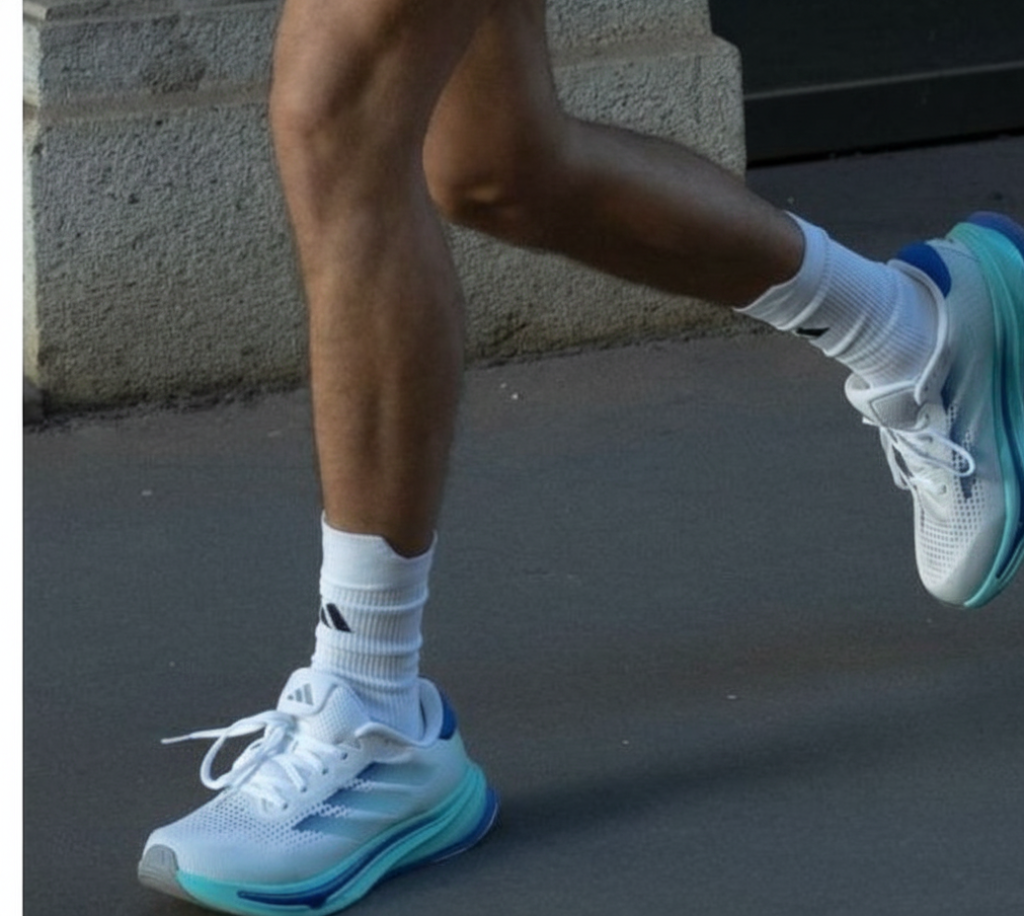
8. Compare Running Shoes Before You Buy
Here’s a simple comparison table to help you decide:
Shoe Type | Best for | Highlights | |
Best Running Shoes (Road) | Daily runs | Balanced cushioning & support | |
Nike Running Shoes | Performance & comfort | Lightweight, modern design | |
Best Running Shoes for Women | Female runners | Narrow heel, soft cushion | |
Cross Training Shoes | Gym & HIIT | Side stability + multi-purpose | |
Best Trail Running Shoes | Trails & mountains | High grip & protection |
9. Replace Your Shoes Regularly
Running shoes don’t last forever.
Replace every:
500–700 km (300–450 miles)
Signs it’s time to replace:
- Shoe feels flat
- Heel or sole is worn out
- Pain in knees or arches
- Reduced grip
Fresh shoes = fewer injuries.
10.Test Your Shoes Before Finalizing the Purchase
Even if a shoe looks perfect on paper, real comfort is felt only when you try it. Testing your shoes helps you understand whether they truly match your running style and body mechanics.
How to Test Your Running Shoes Properly
✔ Walk & jog inside the store (or at home if buying online with return option)
✔ Check heel stability — your heel should not slip out
✔ Try bending the shoe — it should bend where your toes naturally bend
✔ Check flexibility — too stiff = uncomfortable, too soft = unstable
✔ Try quick side movements (for gym/cross training shoes)
✔ Test short sprints if possible to feel responsiveness
What You Should Feel During Testing
Smooth heel-to-toe transition
No pressure points or toe squeezing
Proper arch support
Balanced cushioning — not too soft, not too firm
Good grip on the floor