
In today’s interconnected world, businesses are grappling with complex global supply chain issues 2025 that test resilience, flexibility, and efficiency. From raw material shortages to geopolitical risks, the challenges are reshaping how companies manage logistics and partnerships. This article explores the top 10 challenges facing global supply chains, highlights the biggest supply chain management problems, and provides actionable solutions to supply chain challenges.

1. Geopolitical Instability & Trade Wars
One of the most pressing drivers of supply chain disruption is geopolitical conflict. Trade wars, sanctions, and tariff hikes directly affect sourcing and delivery. Unpredictable regulations can halt operations overnight, forcing businesses to rethink suppliers or reroute cargo.
Solution: Diversify suppliers across regions and monitor trade policy closely to avoid dependency on a single market.

2. Logistics & Transportation Bottlenecks
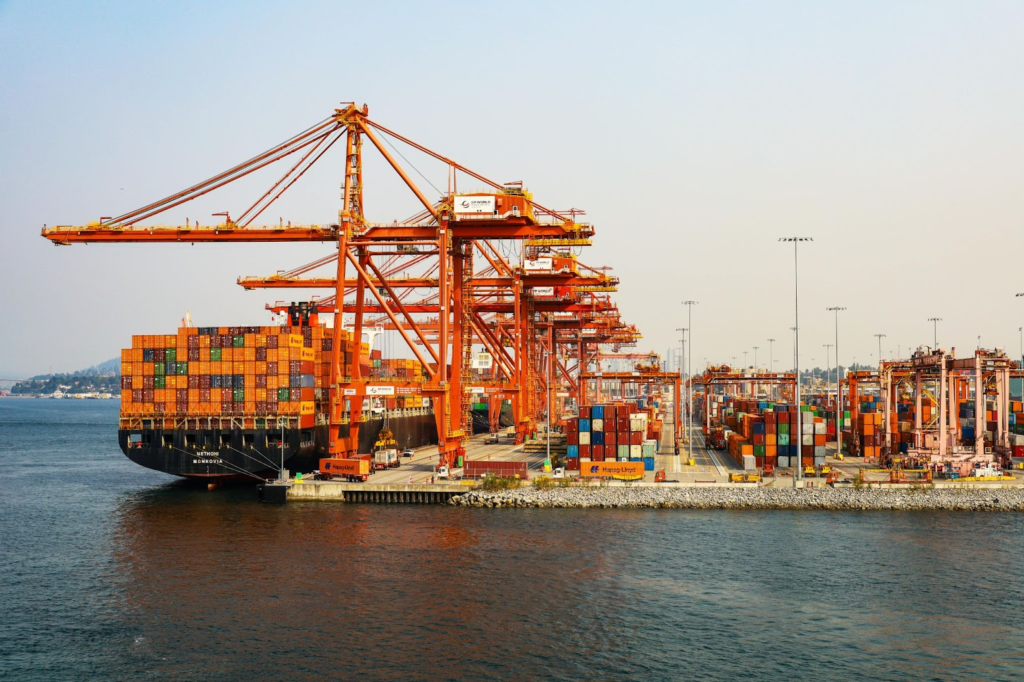
Port congestion, driver shortages, and rising freight costs are creating severe supply chain bottlenecks. Even minor delays at one transport hub can ripple across the entire chain, leading to missed deadlines and unhappy customers.
Solution: Adopt multimodal transportation and invest in local warehouses to ease congestion risks.
3. Demand Forecasting & Volatility
Changing consumer behavior, unpredictable demand spikes, and rapid market shifts continue to fuel supply chain management problems. Companies often experience the “bullwhip effect,” where small shifts in demand create large upstream fluctuations.
Solution: Leverage AI-driven forecasting tools and integrate real-time sales data into planning systems.

4. Raw Material Shortages & Price Volatility
Limited access to rare earths, metals, and agricultural products adds to global supply chain issues 2025. Price volatility puts pressure on manufacturers, while shortages delay production.
Solution: Secure long-term contracts with multiple suppliers and maintain buffer inventories of critical resources.
5. Regulatory & Compliance Complexity
Global firms face mounting international trade challenges, including stricter environmental standards, tariffs, and customs laws. Missteps can cause costly penalties or shipment delays.
Solution: Invest in compliance technology, audit suppliers regularly, and maintain transparency throughout the supply chain.

6. Cybersecurity & Data Risks
Digital networks make supply chains faster but also more vulnerable to cyberattacks. A breach in one vendor’s system can lead to widespread supply chain disruption, halting operations and eroding customer trust.
Solution: Implement strict cybersecurity policies, encrypt sensitive data, and mandate compliance among all partners.

7. Talent & Workforce Shortage
Modern supply chains require skilled analysts, risk managers, and logistics professionals. Yet the industry is facing growing supply chain management problems due to limited skilled talent, especially in emerging markets.
Solution: Upskill existing employees and collaborate with universities to create supply chain training programs.

8. Environmental & Climate Risks
Rising climate events such as floods, storms, and droughts cause frequent supply chain bottlenecks. At the same time, sustainability regulations demand greener practices.
Solution: Integrate ESG goals, invest in renewable energy, and design climate-resilient infrastructure.
9. Limited Visibility & Transparency
A lack of real-time tracking creates blind spots, making it hard to anticipate global supply chain issues 2025. Without visibility, businesses risk delayed responses to disruptions.
Solution: Use IoT devices, blockchain, and AI to build full supply chain transparency.

10. Network Reshaping & Regionalization Pressure
Many firms are moving from global sourcing toward regional models to reduce international trade challenges. However, restructuring supply chains involves high costs and uncertain results.
Solution: Apply scenario planning to test multiple supply models before committing to major network shifts.

Solutions to Supply Chain Challenges
While disruptions are inevitable, companies can thrive by adopting long-term solutions to supply chain challenges:
- Build resilient networks with redundancy and multi-sourcing.
- Use predictive analytics to forecast risks and optimize inventory.
- Foster collaborative supplier relationships for shared resilience.
- Embrace digital transformation with AI, blockchain, and automation.
- Focus on sustainable practices to comply with regulations and appeal to eco-conscious customers.
Conclusion
As businesses confront ongoing global supply chain issues 2025, it’s clear that resilience is no longer optional. From supply chain disruption caused by geopolitical shifts to persistent supply chain bottlenecks in logistics, the challenges are complex but manageable. By understanding these supply chain management problems and embracing innovative solutions to supply chain challenges, organizations can future-proof their operations and stay competitive in an unpredictable world.
Frequently Asked Questions (FAQs)
Q 1: Why is supply chain management so complex today?
Supply chain management is more complex than ever due to globalization, multiple supplier tiers, and increased customer expectations. Companies must coordinate international shipments, comply with varying regulations, and respond quickly to market changes, making the process challenging and prone to disruptions.
Q 2: What industries are most affected by supply chain bottlenecks?
Industries like automotive, electronics, pharmaceuticals, and retail are heavily affected by supply chain bottlenecks. These sectors rely on just-in-time delivery and global sourcing, so delays in raw materials, transportation, or manufacturing can halt production and lead to financial losses.
Q 3: How can technology reduce supply chain management problems?
Technology such as AI, blockchain, and IoT improves supply chain visibility, automates repetitive processes, and predicts potential disruptions. For example, AI can forecast demand spikes, while blockchain ensures secure and transparent tracking of goods, minimizing errors and delays.