Petra, Jordan Travel Guide
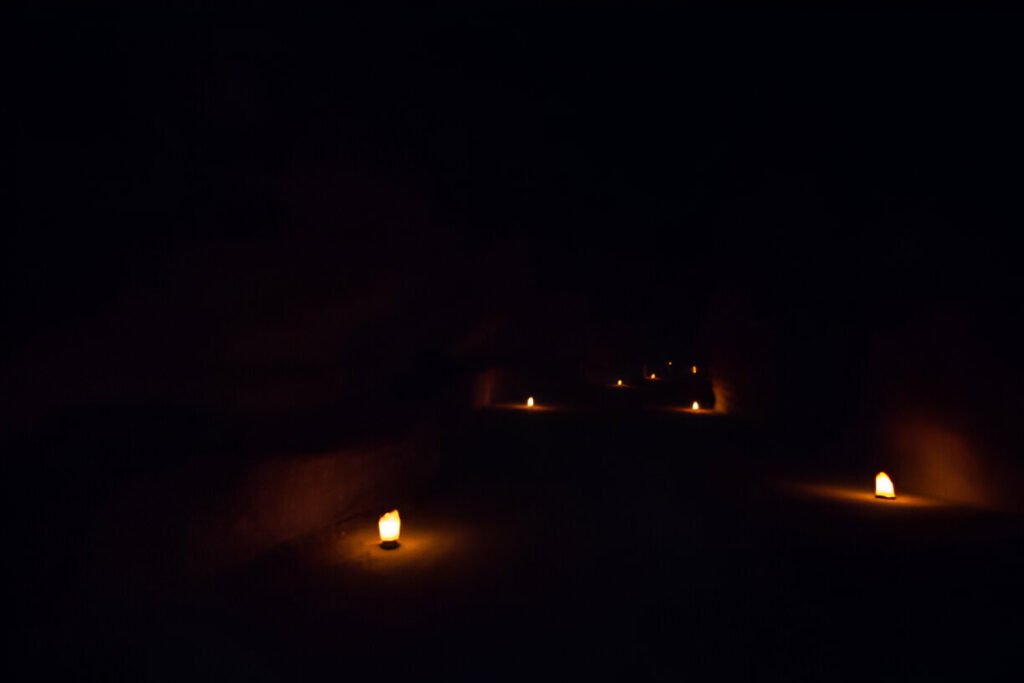
Are you dreaming of an unforgettable adventure? Petra, Jordan, is a destination that should be on everyone’s bucket list. This ancient city, carved into rose-red cliffs, is not just a historical wonder but also a place of mesmerizing beauty and intrigue. Let’s dive into everything you need to know about traveling to Petra, Jordan. Petra, often referred to as the “Rose City” due to its stunning pink rock formations Travel Guide , is a jewel of Jordan. This ancient city, carved into the sandstone cliffs, is a UNESCO World Heritage site and one of the New Seven Wonders of the World. Whether you’re an avid history buff, an adventure seeker, or simply looking to immerse yourself in a place of awe-inspiring beauty, Petra offers something for everyone. The History of Petra Travel Guide Founded around the 6th century BC by the Nabataeans, Petra was once a thriving trading hub. The Nabataeans were known for their incredible engineering skills, particularly in water conservation and storage, which allowed them to flourish in the arid desert. Petra’s strategic location along the trade routes connecting Arabia, Egypt, and the Mediterranean meant it was a melting pot of cultures and influences. How to Get to Petra Petra is located about 240 kilometers south of Amman, the capital of Jordan. The most common way to reach Petra is by car or bus. From Amman, you can take a bus or hire a taxi for a more comfortable journey. Alternatively, there are organized tours that offer transportation and guided visits to Petra. Best Time to Visit The best time to visit Petra is during the spring (March to May) and autumn (September to November) months. During these periods, the weather is mild and pleasant, making it ideal for exploring. Summer can be extremely hot, while winter nights can be quite cold. What to Wear and Bring Comfortable clothing and sturdy walking shoes are essential for exploring Petra. A hat, sunglasses, and sunscreen are also must-haves to protect yourself from the sun. Don’t forget to bring plenty of water to stay hydrated, as the desert climate can be very dehydrating. Exploring the Siq The Siq is the narrow, winding gorge that serves as the main entrance to Petra. Walking through the Siq is like entering a time portal; the towering cliffs on either side create a sense of mystery and anticipation. This 1.2-kilometer path will lead you to Petra’s most iconic structure, the Treasury. The Treasury The Treasury, or Al-Khazneh, is the first major site you’ll encounter upon exiting the Siq. This magnificent façade, carved directly into the sandstone cliff, is Petra’s most famous landmark. It’s believed to have been a royal tomb or a temple, and its intricate carvings are a testament to the Nabataean’s artistry. The Monastery Another of Petra’s grand structures is the Monastery, or Ad Deir. It’s a bit of a hike to get there, with around 800 steps to climb, but the effort is well worth it. The Monastery is even larger than the Treasury and offers stunning views of the surrounding landscape. Other Must-See Sites Petra is full of remarkable sites, including the Royal Tombs, the Roman Theatre, and the Great Temple. Each of these locations provides a glimpse into Petra’s rich history and the diverse influences that shaped it. Hiking Trails in Petra For those who love hiking, Petra offers several trails that provide different perspectives of the ancient city. The Al-Khubtha Trail, the High Place of Sacrifice, and the Wadi Farasa Trail are just a few options. Each trail offers unique views and experiences, so be sure to explore at least one. Local Cuisine and Dining Options After a long day of exploring, you’ll want to refuel with some local cuisine. Jordanian food is flavorful and hearty, with dishes like mansaf (a traditional lamb dish) and falafel. There are several restaurants and cafes in Petra where you can enjoy a delicious meal. Accommodations in Petra Petra offers a range of accommodations to suit different budgets. Whether you’re looking for a luxury hotel, a budget-friendly hostel, or a cozy bed and breakfast, you’ll find plenty of options. Staying overnight allows you to experience Petra by Night, a magical event where the Treasury is illuminated by candlelight. Guided Tours vs. Solo Exploration Deciding whether to explore Petra on your own or with a guide depends on your preferences. Guided tours can provide valuable insights and historical context, while solo exploration allows for a more flexible and personal experience. Both options have their benefits, so consider what’s most important to you. Cultural Etiquette When visiting Petra, it’s important to respect local customs and traditions. Dress modestly, especially when visiting religious sites, and be mindful of local norms. A friendly greeting and a smile go a long way in building positive interactions with locals. Safety Tips for Travelers Petra is generally safe for tourists, but it’s always wise to take precautions. Stay hydrated, protect yourself from the sun, and be aware of your surroundings. If you’re hiking, make sure to stick to the marked trails and let someone know your plans. Visiting Petra is like theworldtravelguy stepping into a different world, where history and natural beauty combine to create an unforgettable experience. From the awe-inspiring Treasury to the rugged hiking trails, there’s something for everyone in this ancient city. Whether you’re exploring the Siq, marveling at the Monastery, or savoring local cuisine, Petra promises a journey you’ll never forget. Q1: What is Petra and why should I visit it? Petra is an ancient city in Jordan known for its rock-cut architecture and historical significance. It’s a UNESCO World Heritage site and one of the New Seven Wonders of the World. Q2: How many days should I spend exploring Petra? Ideally, spend 2 days to fully explore Petra, including popular sites like The Treasury, The Monastery, and lesser-known trails. Q3: Is the Jordan Pass necessary for visiting Petra? Yes, the Jordan Pass is cost-effective as it covers entry fees to Petra and other Jordan